From Incarceration to Certification: Training Personal Trainers in Prison
For nearly two decades, a Los Angeles fitness educator has been certifying personal trainers inside federal and state prisons. Its founder sees it as workforce training.
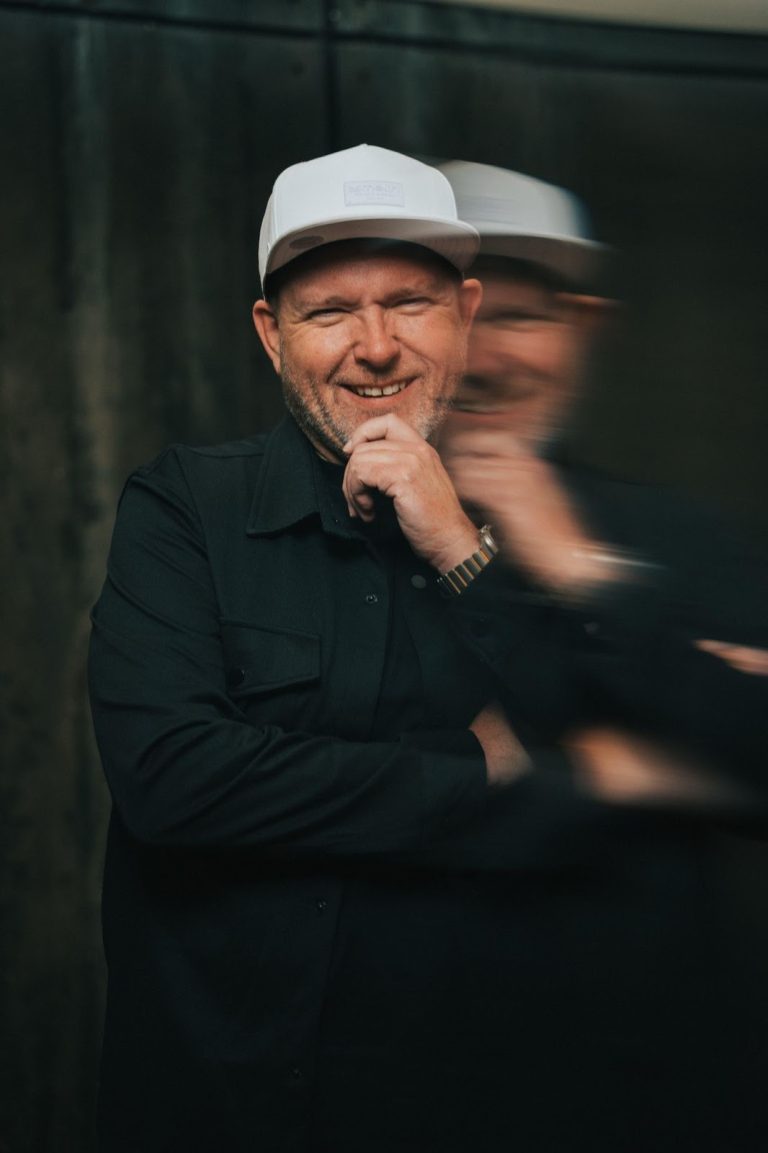
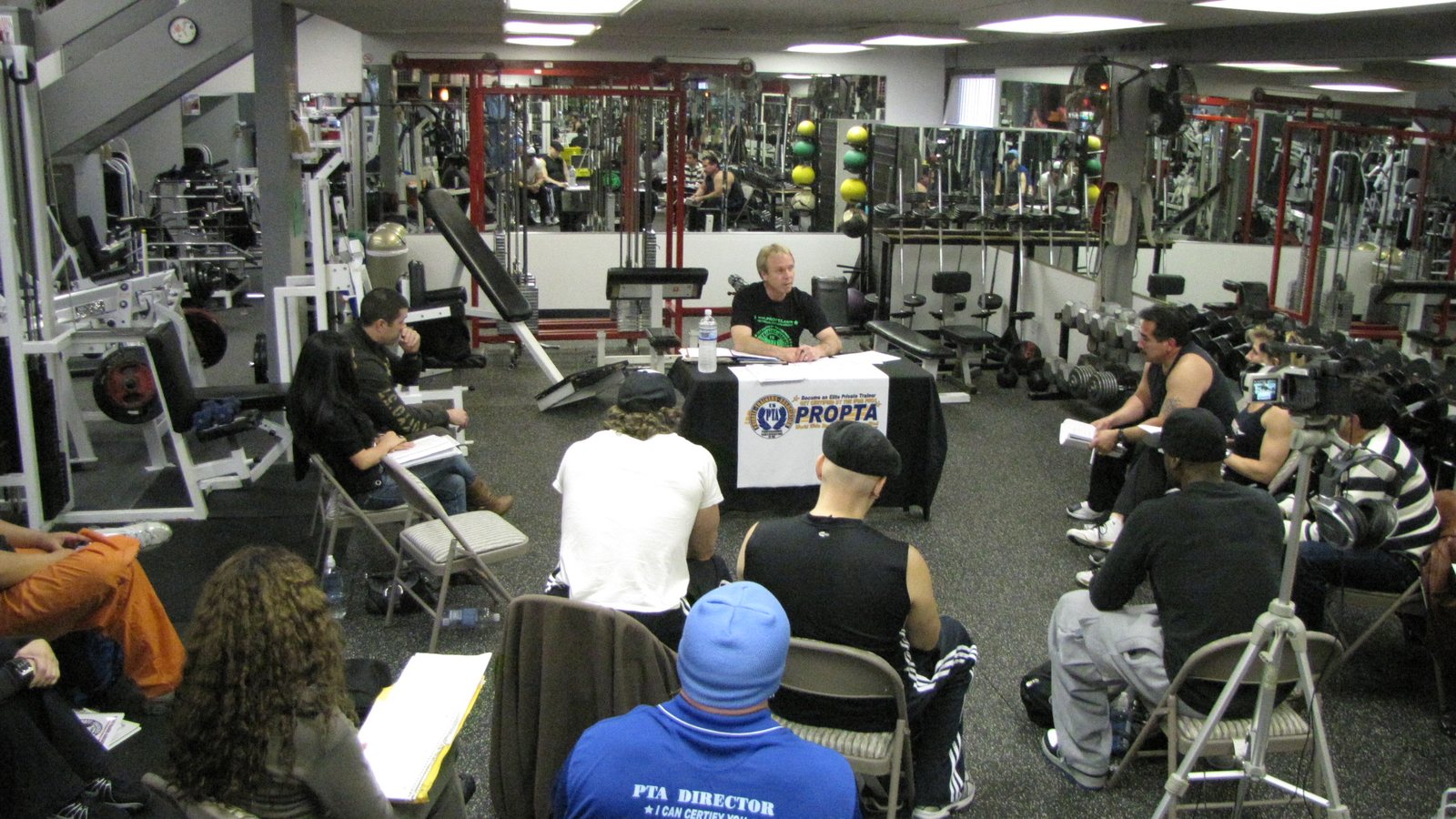
Finding work after prison is one of the hardest parts of coming home. Joe Antouri’s answer is to give people a credential before they leave. His organization, the Professional Personal Trainers Association, PROPTA, offers fitness certification courses to people in federal and state correctional facilities.
“From incarceration to certification — a second chance starts here,” the program’s page reads.
Quick answer
Yes, people in prison can become certified personal trainers. The Professional Personal Trainers Association (PROPTA), founded by Joe Antouri, offers personal trainer, nutrition and sports performance nutrition certification to people in federal and state prisons by correspondence, and online for people preparing for release.
Key takeaways
- PROPTA has offered courses to incarcerated students for nearly two decades, Antouri says.
- Students inside study by mail; people in halfway houses can study online.
- Three certifications are available: personal trainer, nutrition and sports performance nutrition.
- A November 2024 PROPTA release says the certifications include a free renewal after release.
How does PROPTA’s prison program work?
According to PROPTA’s program page, there are two ways in. People still in prison study by correspondence, working through printed textbooks and completing their exams by mail. People in halfway houses who are preparing for release can take the same courses online.
Incarcerated students can earn three certifications: personal trainer, nutrition and sports performance nutrition. The online courses add recorded lectures and videos that demonstrate safe lifting technique. According to a November 2024 PROPTA press release, the certifications include a free renewal after release.
Antouri, who founded PROPTA in 1980 and wrote its textbooks, says the program has run for nearly two decades.
Why is personal training a good career after prison?
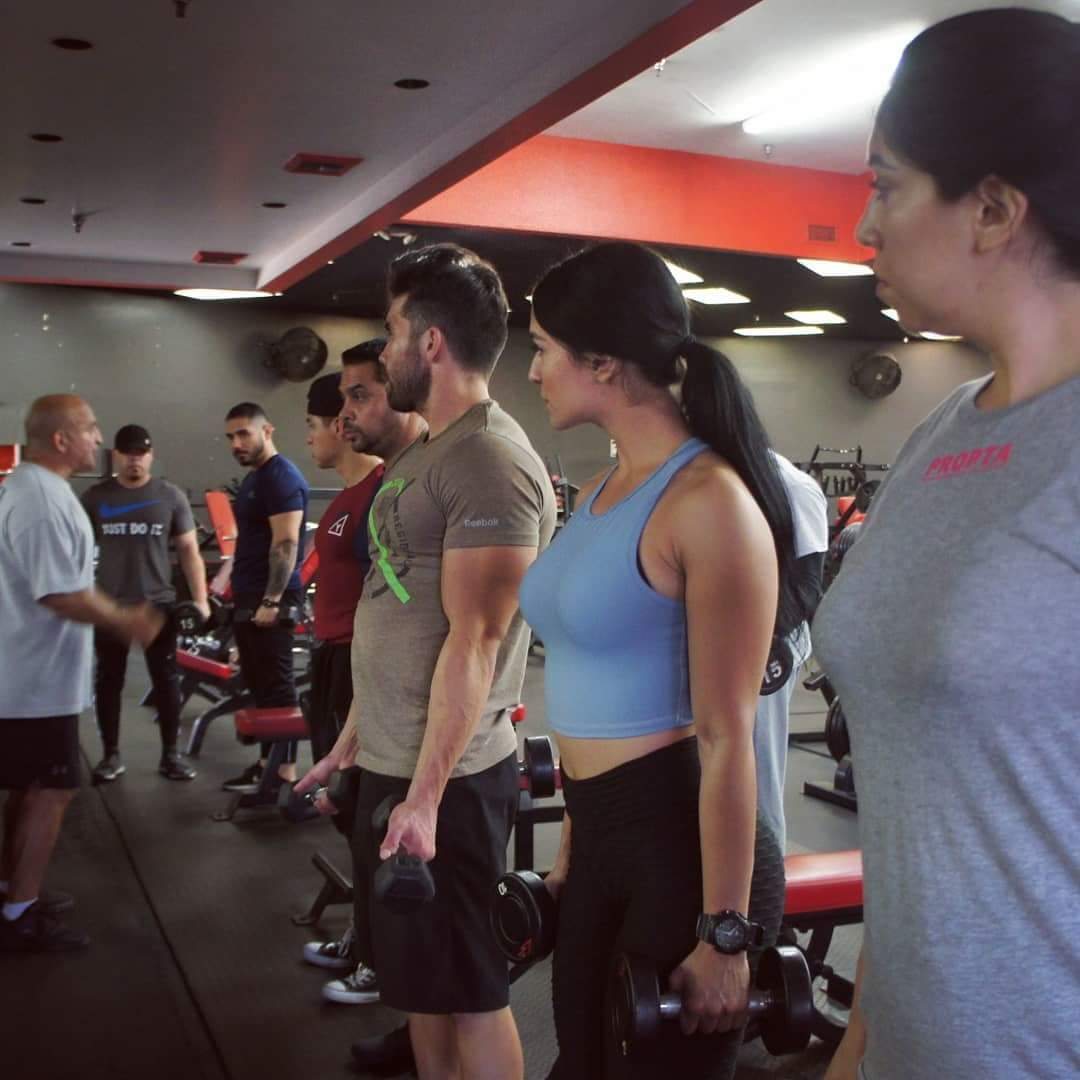
Personal training suits people starting over. It does not require a college degree, a certification is portable from one gym or city to another, and a trainer can work for an employer or independently.
Many of the students who write to PROPTA already spend serious time in the weight room. The courses turn that habit into structured knowledge of anatomy, program design and nutrition, plus a credential an employer can check.
What do incarcerated students say about the program?
Reviews from incarcerated students posted on PROPTA’s website describe the program as more than a certificate. One student who works in his prison’s recreation department wrote that the textbook showed him “how little I actually knew about fitness.” He now leads group boot camp classes several days a week.
Another wrote that the courses made him decide to study physical therapy after his release. A third thanked Antouri for giving him “a purpose in life with a positive direction.”
Families write in, too. One mother describes Antouri answering her many emails so her son received his course materials in prison.
Why does second-chance training matter to employers?
For employers, the program points to a larger pool of talent: people coming home with documented skills and a demonstrated willingness to finish a course under difficult conditions. For Antouri, it is the clearest expression of his belief that “education gives you freedom and a future.”
Correctional education staff or families who want to know more can contact PROPTA through its website, propta.com.
Frequently asked questions
Can people in prison become certified personal trainers?
Yes. Some organizations, including PROPTA, offer personal trainer and nutrition certification courses to people in federal and state correctional facilities, usually by correspondence.
How does PROPTA’s prison program work?
Students in prison study by correspondence with textbooks and take the exams by mail. People in halfway houses preparing for release can take the courses online.
Which certifications can incarcerated students earn through PROPTA?
Personal trainer, nutrition and sports performance nutrition certification.
Related reading on Executive Central Weekly
- Meet Frank Scarso: The CEO Who Rebuilt From Homelessness to Lead a $250M Lending Platform
- The Holiday Hiring Crunch: Staffing Q4 Without Burning Out Your Team
Sources
- Federal & State Prison Approved Inmate Courses (with student reviews), PROPTA: propta.com/federal-and-state-prison-inmate-personal-trainer-certification-and-education
- “PROPTA Expands Access to Career Education for Federal and State Prison Inmates,” PROPTA press release via PRLog, November 2024: business.mammothtimes.com/mammothtimes/article/prlog-2024-11-16-propta-expands-access-to-career-education-for-federal-and-state-prison-inmates
- Joe Antouri, founder biography and Q&A, PROPTA: propta.com/our-founder-joe-antouri
- Biography and background provided by Joe Antouri to Executive Central Weekly, November 2026.
Competition results, career history and program details are as stated by Joe Antouri and PROPTA. Photos are courtesy of Joe Antouri / PROPTA, from propta.com.
Follow Joe Antouri and PROPTA:
- Website: propta.com
- Instagram: @propta_joeantouri
- LinkedIn: PROPTA
- TikTok: @proptausa
Read us often? Make Executive Central Weekly a preferred source in Google Search and see our reporting more often in Top Stories.