The Holiday Hiring Crunch: Staffing Q4 Without Burning Out Your Team
Say you run three home-goods stores outside Atlanta. It is the first week of November, and you budgeted for eight seasonal hires. Four have accepted.
Your two strongest full-timers have already offered to pick up extra shifts. You are grateful, and a little worried, because Black Friday is still weeks away and they looked tired in October.
That tension is playing out across retail, logistics and service businesses this season, and the latest forecasts suggest it will not ease soon.
Quick answer
Holiday hiring in 2026 is flat to down. NRF expects retailers to hire 325,000 to 375,000 seasonal workers, and Challenger projects about 450,000 seasonal retail jobs, down 2.5%. With fewer hires, leaders should staff by peak hour, cap extra shifts, cross-train and protect managers to avoid burnout.
Key takeaways
- NRF forecasts 325,000 to 375,000 seasonal retail hires, roughly flat with last year's 356,000.
- Challenger projects about 450,000 seasonal retail jobs in Q4 2026, down 2.5%.
- UPS plans 100,000 seasonal hires, down from 125,000 in 2024.
- Leaner hiring shifts work onto existing staff, raising burnout risk heading into December.
- Staff peak hours, cap extra shifts, cross-train early and protect your managers.
How many seasonal workers are employers hiring for the 2026 holidays?
Fewer than in recent years, and with more caution. On Oct. 15, 2026, the National Retail Federation forecast that retailers will hire between 325,000 and 375,000 seasonal workers. That is roughly flat with last year’s estimate of 356,000.
NRF expects November and December sales to grow 4.2% to $1.013 trillion. It said retailers are taking a measured approach to hiring because of higher gas prices, persistent inflation, higher interest rates and high consumer debt.
Outplacement firm Challenger, Gray & Christmas projects about 450,000 seasonal retail jobs in the fourth quarter, a 2.5% decline from the 461,500 added in late 2025, Retail Dive reported Oct. 1. The 2025 figure was already the smallest seasonal gain since 2008. The two forecasts measure hiring differently, but both point the same way: flat to down.
Which companies have announced holiday hiring so far?
The early announcements are smaller than usual.
- UPS said on Oct. 7 it would hire 100,000 seasonal workers, Reuters reported. UPS hired 125,000 holiday staff in 2024, and the company said in January it would cut up to 30,000 operational jobs and close 24 facilities during 2026.
- Spirit Halloween planned more than 52,000 seasonal associates, and Michaels more than 10,000, according to Retail Dive.
- Amazon, which brought on 250,000 seasonal hires in each of the last three years, had not released a 2026 figure as of Retail Dive’s Oct. 1 report.
Challenger’s September report found employers announced plans to hire 90,787 workers that month, the lowest September total since 2011. Spirit Halloween and Michaels together accounted for 62,000 seasonal hires, compared with 100,800 seasonal announcements in September 2025.
Andy Challenger, the firm’s chief revenue officer, said hiring plans are up over the year, “but we’re not seeing the surge of hiring plans that come with the holiday season, which suggests a very cautious approach.”
Why does a smaller seasonal workforce raise burnout risk?
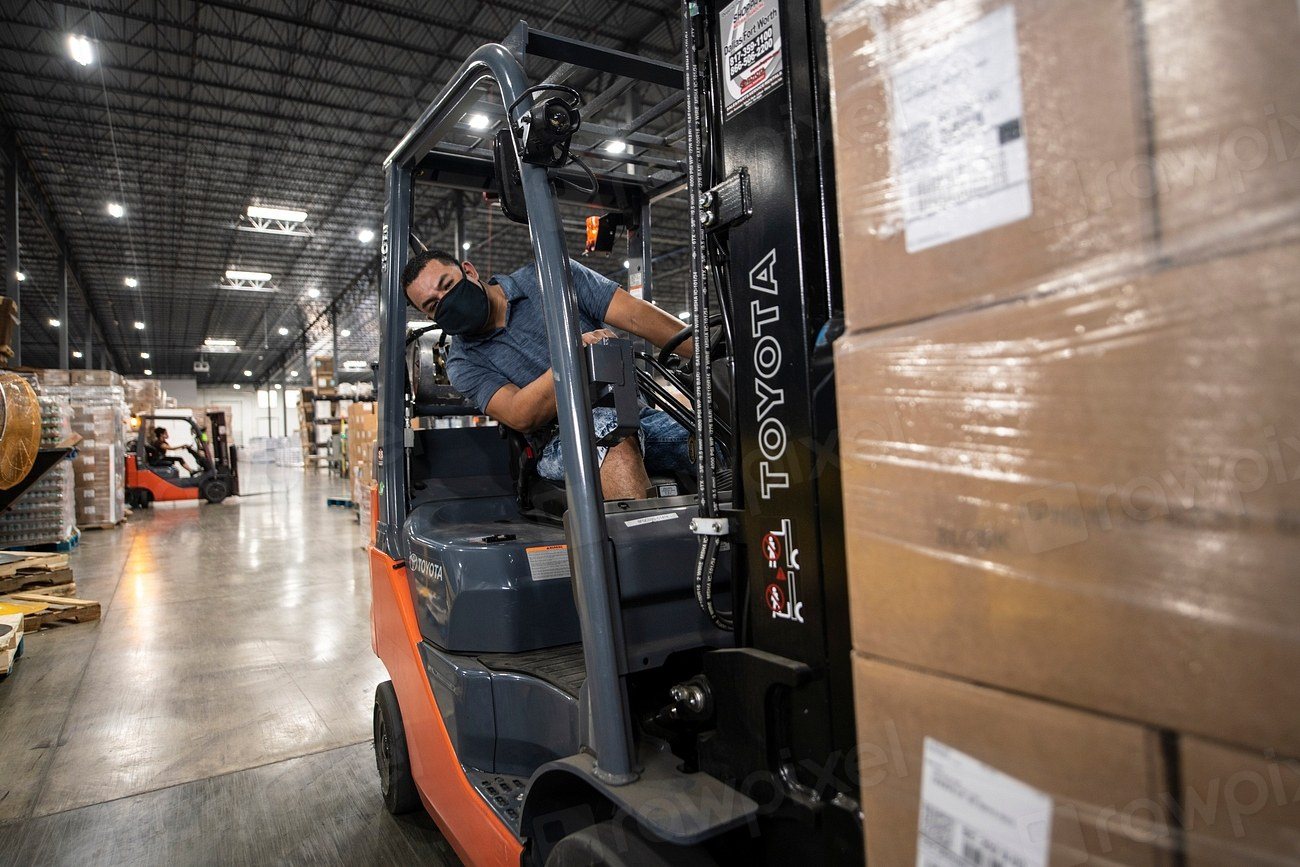
Because the work does not shrink with the headcount. Retail Dive noted Challenger’s view that retailers plan to lean on existing staff rather than commit to big seasonal hiring waves early.
That means more overtime, longer stretches without days off and more training of short-term workers by the people who are already stretched.
In parcel delivery, the squeeze is sharper. Daily volumes for carriers roughly double during the holidays, according to the Reuters report on UPS’s plans, and at UPS that surge lands on a seasonal workforce smaller than it was two years ago.
The starting point is not great. Gallup’s State of the Global Workplace 2026 report found 40% of employees worldwide experienced a lot of stress the previous day. Managers were only slightly more engaged than other employees, at 22%, and they are the people who run the floor in December.
Andy Challenger summed up the pattern in a phrase: hiring announcements over the last three years have been “smaller and more surgical.”
Get featured in Executive Central Weekly
Leading a team through a peak season, or found a better way to staff it? Executive Central Weekly wants to hear from executives and founders with real stories and practical lessons.
How can leaders staff up for Q4 without burning out the team?
The companies that handle a lean season well tend to plan around hours, not heads.
- Map demand by the hour. Use last year’s traffic, order or call data to find the true peaks. Staff those windows hard and run lean elsewhere.
- Cap extra hours, even for volunteers. Offer added shifts to current staff first, but set a weekly limit and a guaranteed day off. Your best people are the ones most likely to say yes too often.
- Cross-train before the rush. A cashier who can also pack online orders gives you flexibility a single-skill hire cannot.
- Hire for a path, not just a season. Retail Dive reported that almost half of Michaels’ in-store seasonal positions last year converted to regular roles. Telling candidates a permanent job is possible can widen the pool.
- Protect the managers. Give shift leads a backup for their own days off and keep training of new hires on a fixed schedule rather than squeezed into rush hours.
- Check the rules. Overtime, minor-labor and predictive scheduling laws vary by state and city. Review them with HR or employment counsel before the schedule is set.
Pay pressure is part of the picture. Our earlier look at wage and inflation developments facing business owners covers how to budget for it without guessing.
Does this matter outside retail?
Yes. Logistics, hospitality, health care and professional services all hit year-end peaks, from shipping volumes to tax prep to year-end closes.
A tax firm in March or an accounting team during the year-end close faces the same math as a toy store in December: fixed deadlines, a spike in volume and a core team that carries most of the load. Temporary help can absorb the routine work, but only if someone has time to train it.
The same logic applies. Know your peak hours, protect your core team and decide in advance what you will not do if demand outruns staffing. Our guide to crisis risks and how leaders can protect their business includes planning checklists that work for a busy season as well as a bad one.
What should executives do this week?
- Confirm how many seasonal hires have actually started, not just accepted.
- Pull a list of every employee scheduled for more than your overtime threshold in November and December.
- Name a backup for every shift lead and manager.
- Decide which services or hours you would cut first if staffing falls short, and tell customers early if you do.
Back at the stores outside Atlanta, four hires instead of eight is a real gap. But it is a manageable one if the owner staffs the peak hours, caps her two volunteers at a fair number of extra shifts and gives each of them a real day off before Black Friday. The goal is not just getting through December. It is having the same team in January.
How is your team handling the rush?
Like the store owner outside Atlanta, many leaders are covering the holidays with fewer hands. If you have found a way to staff the peak and keep your people, pitch your story to Executive Central Weekly, or share this piece with the managers building December schedules.
Frequently asked questions
When do retailers hire seasonal workers?
Many retailers begin seasonal hiring in September and October, with hiring continuing into November. Shippers and most retailers add temporary staff for the busiest stretch from late November into early January.
How many seasonal workers will retailers hire in 2026?
The National Retail Federation expects 325,000 to 375,000 seasonal retail hires. Challenger, Gray & Christmas projects about 450,000 seasonal retail jobs in the fourth quarter, using a different method.
Why is seasonal hiring lower this year?
Forecasters cite higher gas prices, persistent inflation, higher interest rates and consumer debt. Many retailers are also leaning on existing staff, extra hours and flexible staffing rather than large hiring waves.
How can managers prevent employee burnout during the holidays?
Cap extra hours even for volunteers, guarantee regular days off, cross-train staff before the rush and give shift leads backup. Plan staffing around peak hours rather than adding the same coverage all day.
Can seasonal workers become permanent employees?
Often, yes. Some retailers convert a large share of seasonal workers to regular roles after the holidays. Offering that path can help attract stronger candidates.
Sources
- National Retail Federation: NRF Forecasts 2026 Holiday Sales Growth as Consumers Remain Resilient
- Retail Dive: Challenger forecast for 2026 seasonal retail hiring (Oct. 1, 2026)
- GV Wire (Reuters): UPS to hire 100,000 temporary workers for holiday season
- Challenger, Gray & Christmas: September 2026 Challenger Report
- Gallup: State of the Global Workplace 2026
Read us often? Make Executive Central Weekly a preferred source in Google Search and see our reporting more often in Top Stories.